
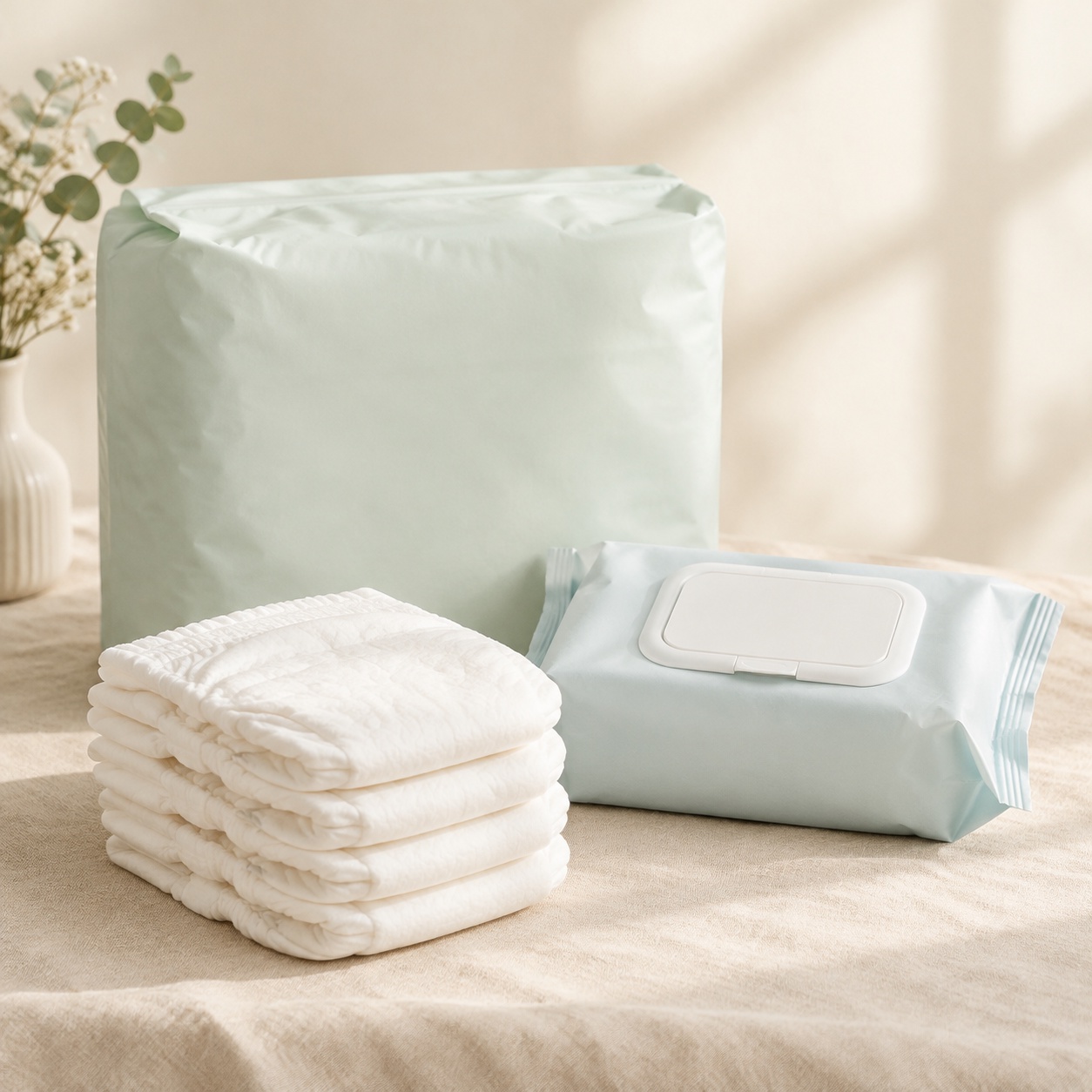
Diapers & wipes
One pack in your child's current size plus wipes they already tolerate. Babies grow fast, so skip the big stockpile.
Family resource · a little extra, a lot of care
Weekly Stock-Up for Families with Young Children
Don't wait until shelves are empty or systems are down. Add a little extra to your cart each week. Preparedness is built one grocery trip at a time.
Everyday planning, not a prediction. No need to buy everything at once.
Buying one extra item a week is a start.
Essentials first; no debt or panic buying.
Use what you already own. A small pack, a single can, or setting aside a clean outfit all count.
0 of 31 stocked · 0 on your shopping list
Saved on this device only. No account needed.
Four simple groups to add, one grocery trip at a time. Photos are illustrative; choose the products your family already uses.
One pack in your child's current size plus wipes they already tolerate. Babies grow fast, so skip the big stockpile.
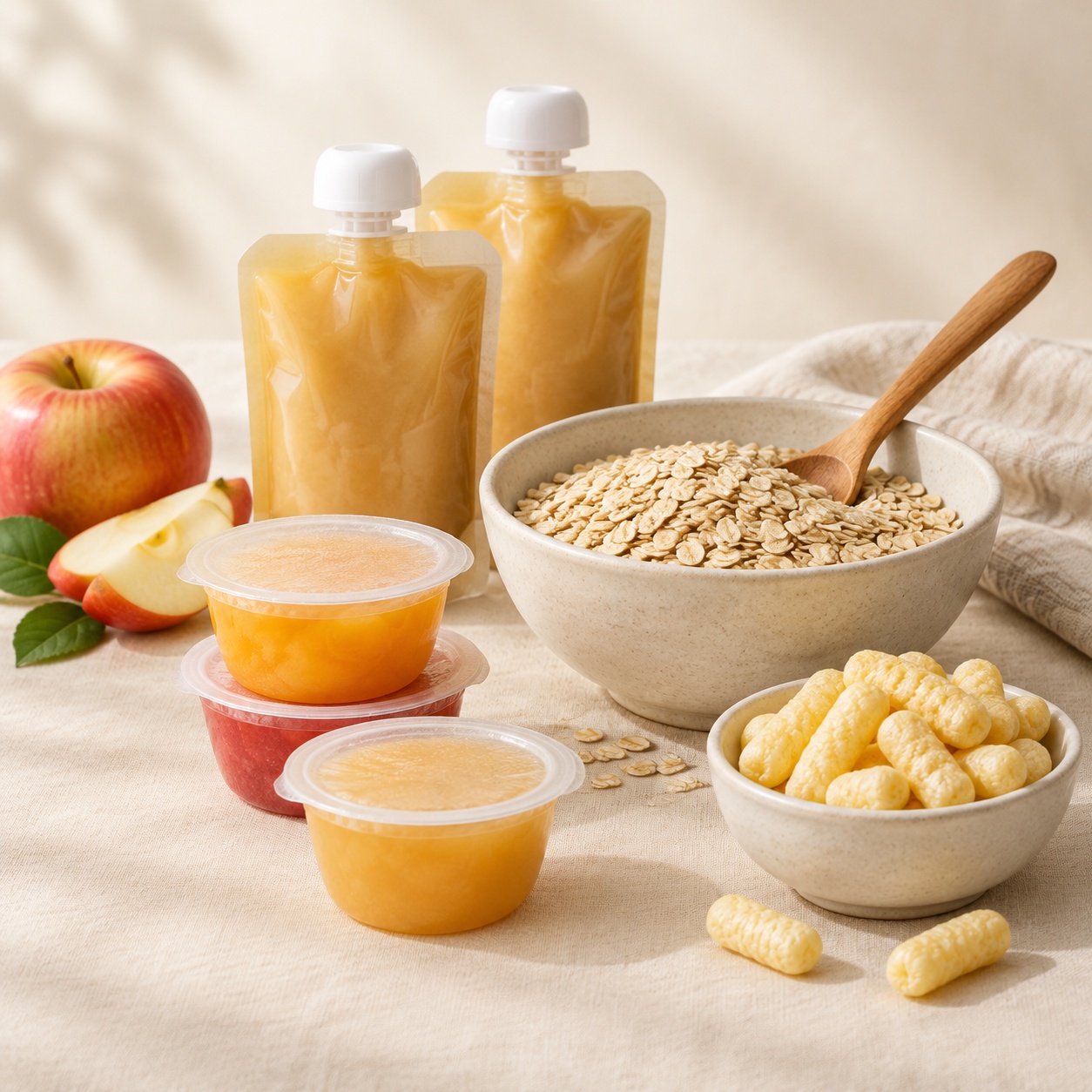
Applesauce pouches, fruit cups, oats and soft snacks your child already eats safely. Supervise every meal.
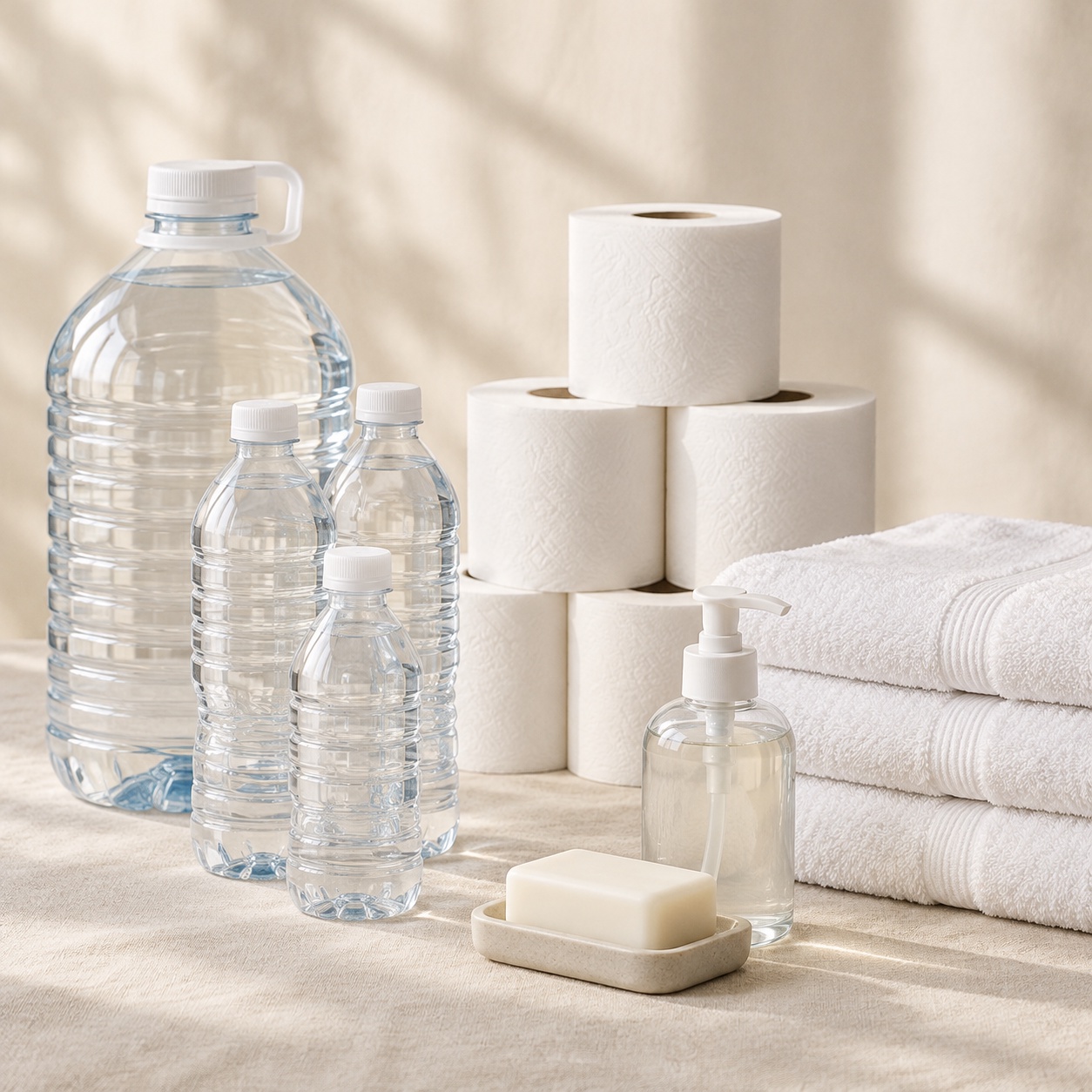
A little drinking water, toilet paper, towels and soap. Start with about 1 gallon per person per day as a baseline.
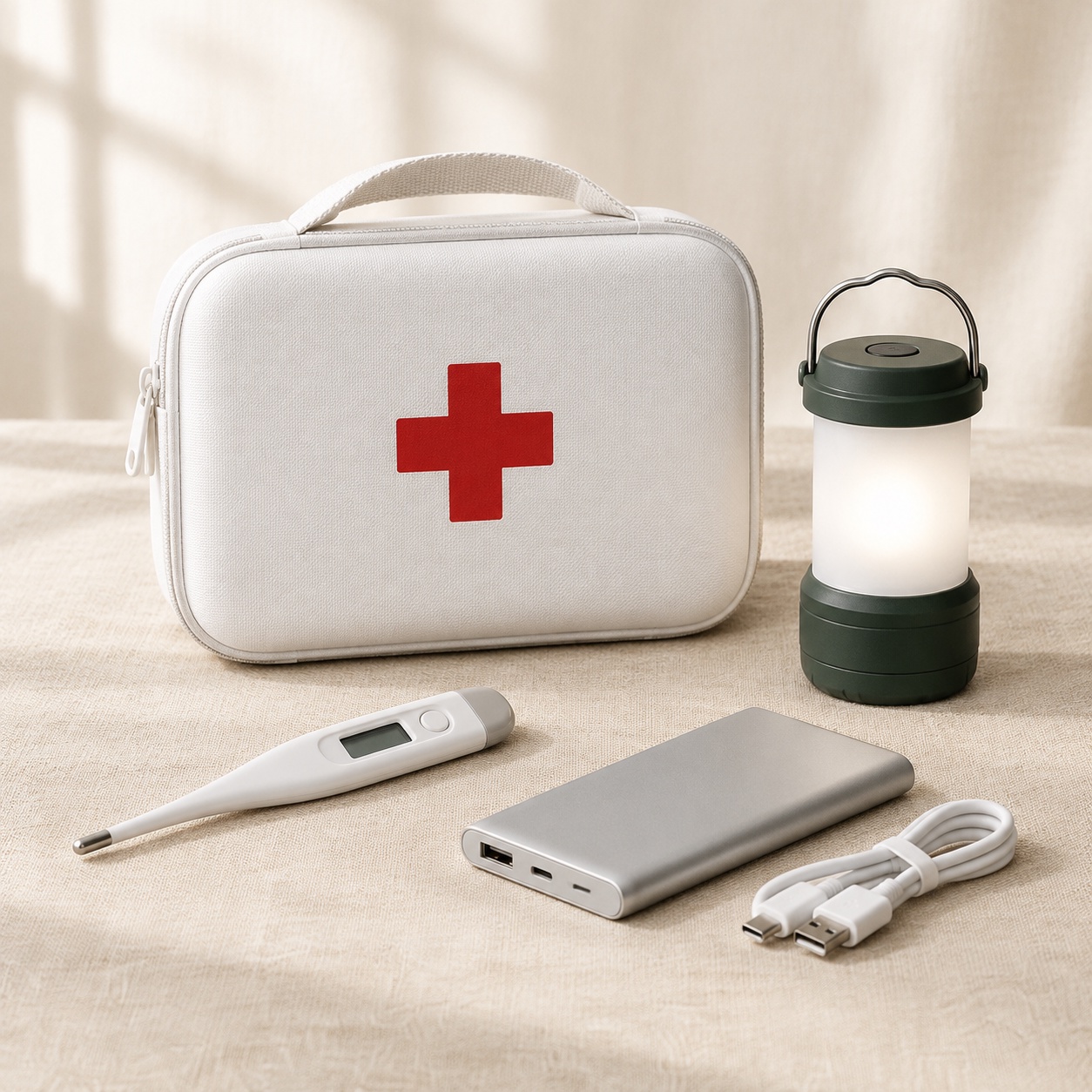
A first-aid kit, digital thermometer, battery lantern and charged power bank. Check what you own first.
Choose one, not all six. Start with a case or pack of diapers in the right current size only if useful; a smaller pack is fine. Avoid overstocking as babies grow.
Diapers
Baby wipes
Applesauce
Age-safe snacks
Toilet paper
Drinking water
SIX GENTLE WEEKS
Start any week. Repeat or pause whenever you need to; nothing is overdue.
Start with one pack, one small food extra, or a little water. Choose only what fits this trip.
No-cost step: Check cupboards and the current diaper size before shopping.
One possible extra
Buy a little toward each goal, not a whole case each week.
Count usable supplies, change your goals, and leave out anything that doesn't fit.
Still to gather · Have 0 / goal 18 diapers
Start with one pack or case only if useful and affordable. Babies grow: do not build a large size-specific stockpile. Enter your actual daily use below.
Still to gather · Have 0 / goal 1 packs
One extra small pack is a start. Choose a product your child already tolerates.
Still to gather · Have 0 / goal 1 usual-size packs
Buy the usual formula in an affordable size. Ready-to-feed formula needs no added water. Use the exact label directions; never dilute. Ask your clinician about suitable quantities and substitutions.
Still to gather · Have 0 / goal 1 servings
Only for children already eating solids, generally around 6 months when developmentally ready. Check textures, ingredients and expiration dates.
Still to gather · Have 0 / goal 1 sets
Have a bottle brush and soap, plus safe water for cleaning. Do not use feeding items you cannot clean safely. Follow CDC and clinician guidance.
Still to gather · Have 0 / goal 1 sets
An easy-clean cup, bowl and spoon appropriate to your child's development; safe water and soap are still needed.
Still to gather · Have 0 / goal 1 tubes
One small tube of your usual product; check the date.
KEEP THIS PART CLOSE
Never dilute formula. Follow the exact label directions. Ready-to-feed formula is useful when there is no safe water because it needs no added water. Powdered formula is not sterile: use safe bottled water, or bottled sterile water when indicated by your clinician; bottled drinking water is not necessarily sterile. Follow additional preparation precautions for higher-risk infants.
Do not give plain water to infants under 6 months except when guided by a clinician. The household water baseline of 1 gallon per person per day is for planning supplies, not an infant drinking target; needs vary with formula preparation, heat and cleaning.
No whole grapes, nuts, popcorn or other choking hazards for young children. Cut, soften or mash food for your child's development. Avoid thick spoonfuls of peanut butter, check allergens, keep pouch caps away, and always supervise eating.
For children with disabilities or medically complex needs, plan medications, safe storage, medical equipment power, backup supplies and emergency care with their clinicians. Electrolyte solutions are only for pediatrician-recommended use, not routine infant use.
Use the oldest safe supplies first and replace them gradually. Check expiration dates, opening/storage instructions and clothing or diaper sizes. Babies grow quickly; review monthly. Store medicines, sanitizer, bags and batteries out of children's reach.
Ready Together
Six gentle weeks · one grocery trip at a time · 4 household members · 3-day water baseline
Buying one extra item a week is a start. Essentials first; no debt or panic buying. Quantities are editable goals, not a weekly purchase requirement. Pack sizes vary. Check what you own first.